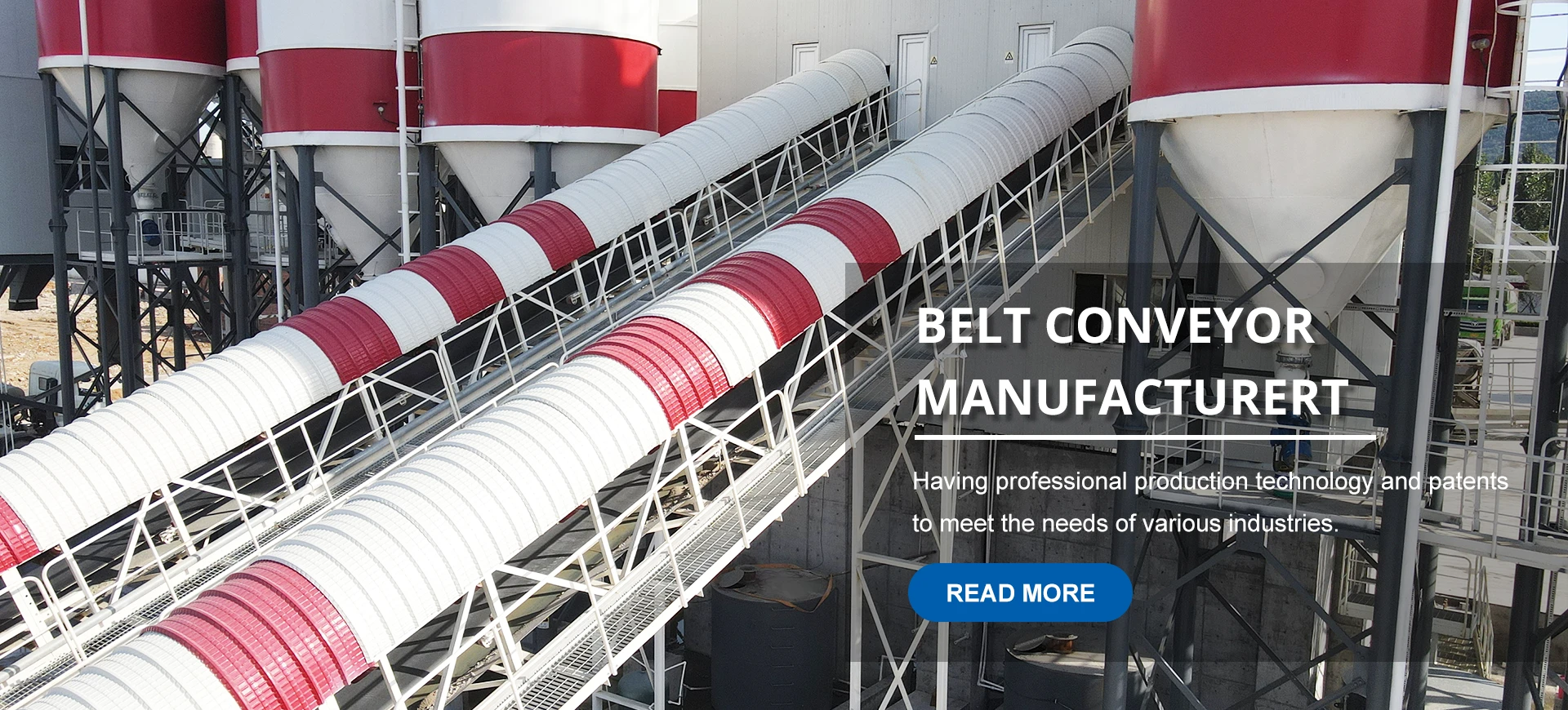
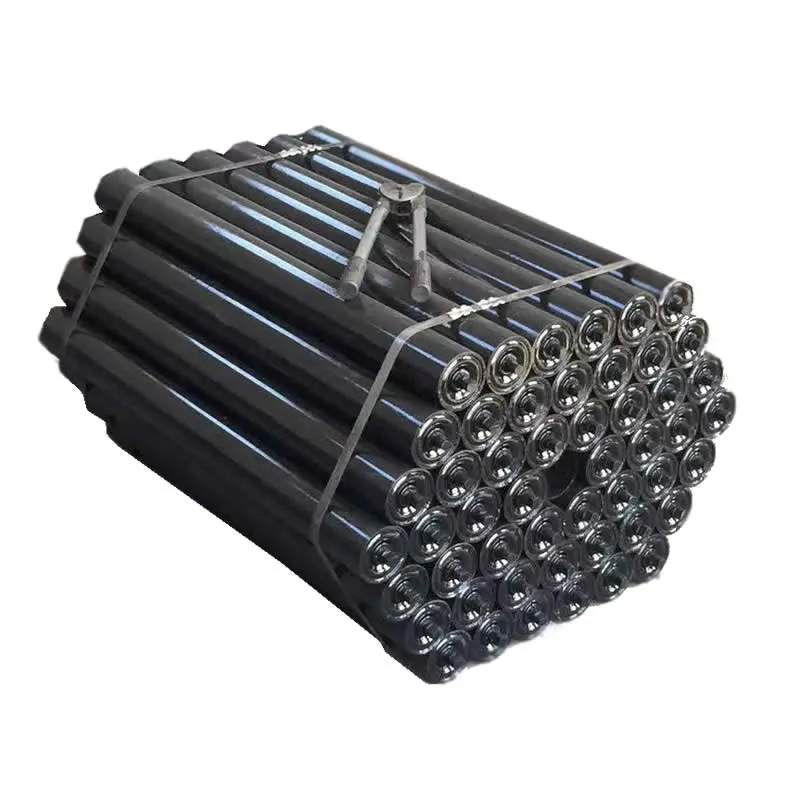
The Pivotal Role of Conveyor Belt Machines in Modern Industry In the landscape of modern industrial operations, efficient material handling is paramount to productivity and cost-effectiveness. The conveyor belt machine stands as a cornerstone technology, facilitating the seamless movement of bulk materials, packaged goods, and discrete items across diverse sectors. From raw material extraction to finished product distribution, these sophisticated systems are engineered for reliability, longevity, and optimal performance under demanding conditions. This comprehensive guide delves into the intricate world of conveyor belt systems, exploring their technical facets, application versatility, and the strategic advantages they offer to B2B stakeholders. Industry Trends Shaping Conveyor Belt Technology The global material handling market, valued at over $200 billion in 2022 and projected to grow significantly, is profoundly influenced by advancements in conveyor belt machine technology. Several key trends are driving innovation: Automation and Industry 4.0 Integration: The integration of IoT sensors, AI-driven predictive maintenance, and robotic automation is transforming conveyor systems. This allows for real-time monitoring of belt wear, motor performance, and material flow, minimizing downtime and optimizing operational efficiency. Energy Efficiency: With increasing energy costs and environmental regulations, manufacturers are focusing on designing conveyor systems with high-efficiency motors, regenerative braking, and smart power management, leading to substantial energy savings. Enhanced Safety Features: Advanced safety protocols, including emergency stop systems, belt misalignment detection, and automated lockout/tagout procedures, are becoming standard to protect personnel and prevent accidents. Modularity and Customization: Demand for flexible, modular conveyor systems that can be easily reconfigured or expanded to meet evolving production needs is growing. This includes specialized designs for challenging environments. Sustainability and Material Innovation: Research into more durable, recyclable, and environmentally friendly belt materials, such as those with increased longevity and reduced friction, is a significant trend. These trends underscore a commitment to smarter, safer, and more sustainable material handling solutions, making the modern conveyor belt machine a sophisticated component of industrial infrastructure. The Manufacturing Process of a Conveyor Belt System The production of a high-quality conveyor belt machine is a multi-stage process, demanding precision engineering and adherence to stringent quality controls. It begins with raw material selection and extends through various fabrication and assembly stages. Key Components and Materials: Belt Material: High Strength Flat Conveyor Belts typically utilize synthetic fabrics (e.g., polyester, nylon) as carcass materials, offering excellent tensile strength and low elongation. These are then covered with various rubber compounds (e.g., SBR, NBR, EPDM) for abrasion resistance, chemical resistance, and specific temperature ranges. For applications like conveyor belt for dirt , robust, abrasion-resistant covers are crucial. Frame & Structure: Fabricated from structural steel (e.g., A36, Q235B) or stainless steel for corrosive environments. Manufacturing processes include laser cutting, bending, welding, and often hot-dip galvanizing or powder coating for corrosion protection. Rollers/Idlers: Constructed from steel tubing with precision bearings, often sealed for maintenance-free operation. Surfaces can be rubber-coated for gentle material handling or enhanced grip. Drive System: Comprises electric motors (e.g., TEFC, IP55 rated), gear reducers, and drive pulleys. These are often manufactured via casting for housings and precision CNC machining for gears and shafts. Pulleys: Fabricated steel shells, often lagged with rubber for improved traction and reduced belt wear. Shafts are typically forged and then machined. Manufacturing Process Flow: Carcass Preparation: Textile fabrics are woven and impregnated with rubber compounds to create the core strength of the belt. Rubber Compounding & Extrusion: Specific rubber formulations are mixed and extruded into cover sheets, tailored for resistance to abrasion, oils, heat, or chemicals. Curing (Vulcanization): The composite belt material (carcass + covers) is heated under pressure in a vulcanizing press, transforming the rubber into a durable, elastic, and strong material. This process is critical for the belt's service life. Frame Fabrication: Steel components are cut, drilled, and welded using automated processes. This includes structural elements for horizontal, inclined, or vertical conveyor belt configurations. Component Machining: Rollers, shafts, and other precision parts undergo CNC machining to ensure tight tolerances and smooth operation. Assembly & Integration: All manufactured components are assembled, including motor, gearbox, idlers, pulleys, and the belt itself. Electrical systems and control panels are integrated. Testing & Quality Assurance: Every system undergoes rigorous testing to meet international standards such as ISO 9001 for quality management, ISO 14001 for environmental management, and specific material handling equipment standards like ANSI/CEMA (Conveyor Equipment Manufacturers Association) or DIN (German Institute for Standardization). This includes load testing, belt tracking, noise levels, and safety interlocks. Service Life & Target Industries: A well-engineered conveyor belt machine , particularly high-strength flat conveyor belts, can achieve a service life exceeding 10-15 years with proper maintenance. Key target industries include: Petrochemical, Metallurgy, Mining, Cement, Power Generation, Water Supply & Drainage, Ports & Harbors, and Agriculture. Demonstrated Advantages in Typical Application Scenarios: Energy Saving: Optimized roller design and low-friction belt materials reduce operational energy consumption by up to 15% compared to conventional systems. For example, in a large-scale mining operation, this translates to significant reductions in electricity costs. Corrosion Resistance: Utilizing stainless steel frames and specialized rubber compounds (e.g., EPDM) for belts in petrochemical facilities ensures longevity in harsh, corrosive environments, reducing maintenance and replacement costs. High Throughput: Precision-engineered systems with advanced drive controls can handle exceptionally high material volumes, essential for continuous operations in bulk material handling, such as coal or aggregate transfer. Technical Specifications and Parameters of High Strength Flat Conveyor Belts Understanding the technical specifications is critical for selecting the appropriate conveyor belt machine for any given application. Our High Strength Flat Conveyor Belts are engineered for superior performance and durability. Typical Product Specifications: Parameter Description Standard Values/Range Belt Width Width of the conveyor belt itself. 500mm - 2200mm (Customizable) Tensile Strength (N/mm) Maximum pulling force the belt can withstand per unit width. 630 N/mm - 4000 N/mm (e.g., EP630, EP1000, ST4000) Number of Plies Layers of fabric carcass in the belt structure. 2-6 plies (Common for textile belts) Cover Thickness (Top/Bottom) Thickness of the rubber covers protecting the carcass. 3mm-15mm / 1.5mm-8mm (Varies by application) Operating Temperature Temperature range the belt can operate effectively. -30°C to +80°C (Standard), up to +200°C (Heat Resistant) Abrasion Resistance Ability to resist wear from abrasive materials. ISO 4649/DIN 53516 (e.g., <90 mm³ loss for Grade W) Impact Resistance Ability to withstand impacts from falling materials. High (Enhanced with specific cover compounds) Oil/Chemical Resistance Resistance to various oils, greases, and chemicals. Available with NBR, EPDM covers (Specific to chemical type) These parameters, when meticulously matched to application requirements, ensure optimal performance and longevity for any conveyor belt machine installation. Diverse Application Scenarios of Conveyor Belt Machines The versatility of the conveyor belt machine allows its deployment across an extensive range of industries and material handling challenges. Its adaptability makes it indispensable for both horizontal transport and significant elevation changes. Common Applications: Mining & Aggregate: Transporting raw ore, coal, gravel, and crushed stone over long distances and up steep inclines. A robust conveyor belt for dirt and other abrasive materials is essential here, often featuring heavy-duty rubber covers and impact-resistant plies. Cement & Construction: Moving clinker, cement, sand, and aggregates efficiently within processing plants and construction sites. Dust-tight designs and wear-resistant belts are critical. Ports & Harbors: Loading and unloading bulk cargo such as grains, fertilizers, and minerals from ships. High capacity and weather resistance are key requirements. Power Generation: Transporting coal and ash in thermal power plants. Heat-resistant belts are vital for handling hot ash. Agriculture: Moving grains, seeds, and produce. Gentle handling characteristics and food-grade materials are often necessary. Manufacturing & Logistics: Conveying components, finished goods, and packages within factories, warehouses, and distribution centers. This often involves more precise, modular systems. Vertical Conveyor Belt Systems: For applications requiring significant elevation changes in a compact footprint, such as feeding material to higher processing levels or discharging materials into elevated storage silos. These can include bucket elevators or steep-angle sidewall conveyor belts, minimizing floor space usage while maximizing throughput. The design of the conveyor belt machine must be carefully matched to the material characteristics (e.g., density, abrasiveness, temperature, moisture content) and the environmental conditions of the application site. Technical Advantages of Our Conveyor Belt Solutions Our High Strength Flat Conveyor Belts are engineered with several inherent technical advantages that translate directly into operational benefits for our clients, solidifying our position as a leader in conveyor belt machine technology. Superior Durability & Longevity: Engineered with multi-ply synthetic fabric carcasses (e.g., EP, NN) and high-quality rubber compounds, our belts offer exceptional resistance to abrasion, tearing, and impact. This significantly extends service life, reducing the frequency and cost of replacements. Our belts routinely exceed industry benchmarks by 20-30% in operational lifespan. Energy Efficiency: Optimized roller friction coefficients and advanced belt cover formulations minimize rolling resistance, leading to a demonstrable reduction in power consumption. This can result in energy savings of up to 10-15% on long-distance conveying systems compared to standard belts. High Tensile Strength for Demanding Loads: Capable of handling extreme loads and high-speed operations, our belts feature tensile strengths up to 4000 N/mm, making them suitable for the most arduous mining and heavy industry applications. Excellent Troughability: Despite high strength, the belts maintain excellent troughability, ensuring stable material containment and minimizing spillage, even at high speeds or with fine materials. This reduces product loss and cleaning costs. Enhanced Safety Features: Our belts can be specified with flame-retardant (FR) and anti-static (AS) properties, conforming to international safety standards (e.g., ISO 340, ATEX directives), crucial for hazardous environments like underground mining or chemical processing plants. Reduced Maintenance & Downtime: The robust construction and material quality lead to fewer unplanned stoppages. Features like superior splice strength and reduced elongation minimize the need for frequent re-tensioning. Environmental Resilience: Available with specialized covers offering resistance to oil, chemicals, heat, and cold, ensuring reliable performance in diverse and challenging environmental conditions. These advantages underscore our commitment to providing not just a component, but a reliable, high-performing solution for complex material handling challenges. Vendor Comparison: Key Differentiators in Conveyor Belt Machines Selecting the right vendor for a conveyor belt machine involves evaluating various factors beyond just initial cost. A comprehensive comparison focuses on quality, service, customization, and long-term value. Below is a comparative overview of key features: Conveyor Belt Machine Vendor Comparison Matrix: Feature/Attribute Our Solution (HG Conveyor Belt) Competitor A (Standard Offerings) Competitor B (Budget Focus) Tensile Strength Range 630 N/mm to 4000 N/mm (Broadest) 800 N/mm to 2500 N/mm (Mid-Range) 500 N/mm to 1250 N/mm (Limited) Cover Material Options Standard, Abrasion, Heat, Oil, Flame, Chemical Resistant (Comprehensive) Standard, Abrasion, Heat (Limited Specialized) Standard, Basic Abrasion (Very Limited) Customization Lead Time 2-4 Weeks (Efficient) 4-6 Weeks (Standard) 6-8+ Weeks (Slow) Warranty Period 24-36 Months (Industry Leading) 12-18 Months (Standard) 6-12 Months (Below Average) After-Sales Support 24/7 Global Technical Support, On-site Assistance (Exceptional) Business Hours Support, Remote Assistance (Standard) Limited Email/Phone Support (Basic) Certifications (e.g., ISO, CE) ISO 9001, ISO 14001, CE, ATEX, FDA (Comprehensive) ISO 9001, CE (Standard) Basic ISO (Limited) This comparison highlights our commitment to offering a superior product range and unparalleled support, translating into a lower total cost of ownership and higher operational reliability for our clients. Customized Solutions for Unique Industrial Challenges Recognizing that no two industrial operations are identical, we specialize in providing bespoke conveyor belt machine solutions. Our engineering team collaborates closely with clients to design systems that perfectly align with their unique operational requirements, site constraints, and material characteristics. Customization Capabilities Include: Material Specificity: Tailoring belt cover compounds for extreme conditions such as high temperatures (up to 200°C), aggressive chemicals, or severe abrasion (e.g., handling sharp aggregate or molten slag). This includes specialized conveyor belt for dirt applications where wear resistance is paramount. System Configuration: Designing for specific layouts, including complex curves, steep inclines (up to 45 degrees with cleated or sidewall belts for vertical conveyor belt applications), and long-distance transport routes requiring multiple drive stations. Environmental Adaptations: Implementing features for harsh environments like dust-proof enclosures, explosion-proof components (ATEX certified), or corrosion-resistant materials for coastal or chemical plant installations. Integration with Existing Infrastructure: Ensuring seamless mechanical and electrical integration with existing plant control systems, automation platforms, and upstream/downstream equipment. Performance Optimization: Fine-tuning speed, capacity, and energy consumption parameters to meet precise throughput targets and operational cost objectives. Our agile design process, backed by advanced simulation tools and decades of engineering experience, ensures that even the most complex material handling challenges are met with innovative, reliable, and cost-effective customized solutions. Application Case Studies & Customer Experience Our commitment to delivering high-performance conveyor belt machine solutions is evidenced by our successful deployments across various industries. These case studies highlight real-world applications and the tangible benefits realized by our clients. Case Study 1: Large-Scale Mining Operation (Coal Transport) Client: Major South American Mining Corporation Challenge: The client required a robust, long-distance conveyor system capable of transporting 2,000 tons of coal per hour over a 5 km distance, operating 24/7 in harsh, dusty conditions, with minimal downtime. Solution: We supplied an EP1600/4-ply High Strength Flat Conveyor Belt with a 12mm top cover and 6mm bottom cover, specifically formulated for superior abrasion and impact resistance, along with an integrated belt monitoring system. The system was designed with low-friction idlers to optimize energy consumption. Outcome: The system has been operating for over 7 years without significant belt-related issues, exceeding the client's expected lifespan by 2 years to date. Energy consumption was 12% lower than their previous setup, resulting in substantial operational cost savings. The client reported: "The reliability and energy efficiency of this conveyor system have significantly improved our operational output and reduced maintenance overheads. HG Conveyor Belt delivered beyond expectations." Case Study 2: Municipal Water Treatment Plant (Sludge & Grit Removal) Client: European Water & Drainage Authority Challenge: Transporting highly abrasive and corrosive dewatered sludge and grit, requiring a solution resistant to chemicals and wear, and operating within a confined space. Solution: We engineered a specialized conveyor belt for dirt and sludge, utilizing an NBR (Nitrile Butadiene Rubber) cover for chemical resistance and superior abrasion properties, combined with a steeply inclined vertical conveyor belt system with cleated profiles to maximize space efficiency. The frame was constructed from marine-grade stainless steel. Outcome: The customized system effectively managed the corrosive materials, extending belt life by 50% compared to previous systems. The compact vertical design freed up critical floor space, allowing for future expansion. The project lead stated: "The tailored chemical resistance and compact design were critical for our facility. This system is a testament to exceptional engineering." Authoritativeness and Trustworthiness: Our Commitment to Quality Our reputation as a trusted provider of conveyor belt machine solutions is built upon a foundation of stringent quality control, industry certifications, and unwavering customer support. We adhere to the highest international standards to ensure the reliability and safety of our products. Certifications & Standards: ISO 9001:2015 Certified: Our quality management system is rigorously audited to ensure consistent product quality and customer satisfaction. ISO 14001:2015 Certified: Demonstrating our commitment to environmental responsibility throughout our manufacturing processes. CE Mark: Our equipment complies with European Union safety, health, and environmental protection requirements. ATEX Compliance: Available for components used in potentially explosive atmospheres, adhering to directive 2014/34/EU. Conformity to DIN, ANSI/CEMA Standards: Our belts and systems are designed and tested to meet or exceed relevant international industry standards for dimensions, performance, and safety. Our Track Record: With over 20 years in the industry, we have successfully partnered with leading corporations across 50+ countries. Our clientele includes major players in mining, heavy industry, and logistics, a testament to our proven reliability and expertise. Lead Time & Fulfillment: Standard High Strength Flat Conveyor Belts are typically dispatched within 2-3 weeks of order confirmation. Custom solutions may require 4-6 weeks for manufacturing and testing, depending on complexity. We maintain strategic stock levels of common specifications to facilitate rapid deployment. Warranty Commitments: All our High Strength Flat Conveyor Belts come with a comprehensive 24-month warranty against manufacturing defects and material failures under normal operating conditions. Extended warranty options are available for critical installations, reflecting our confidence in product durability. Customer Support: Our dedicated after-sales support team provides 24/7 technical assistance. Services include remote diagnostics, on-site installation supervision, preventative maintenance programs, and rapid spare parts supply. We are committed to ensuring the uninterrupted operation of your conveyor belt machine infrastructure. Frequently Asked Questions (FAQ) Q1: How do I choose the correct tensile strength for my conveyor belt? A1: The required tensile strength depends on factors such as belt width, length of the conveyor, material conveyed (density and tonnage), and the number of plies. Our engineering team can perform calculations based on your specific operational data to recommend the optimal strength, preventing premature belt failure due to tension or impact. Q2: What is the average service life of a high-strength flat conveyor belt? A2: With proper installation, regular maintenance, and operation within design parameters, our high-strength belts typically last between 8 to 15 years. Factors like the abrasiveness of the material, operating temperature, and impact frequency can influence this. Preventative measures and quality belt materials contribute significantly to extended life. Q3: Can your conveyor belts handle highly abrasive materials like sharp aggregate or mining ore? A3: Yes, we offer specialized abrasion-resistant covers (e.g., Grade W per ISO 4649) designed for the most demanding applications involving sharp, heavy, and abrasive materials. These covers provide superior protection to the belt carcass, significantly extending the service life in such challenging conditions, making them ideal as a conveyor belt for dirt or rock. Q4: Are your conveyor belts suitable for outdoor use in extreme weather conditions? A4: Absolutely. Our belts are available with weather-resistant cover compounds designed to withstand UV radiation, extreme cold (down to -40°C), and high humidity. We can also provide fully enclosed conveyor systems and specialized frames for severe outdoor environments. Q5: Do you offer installation services and ongoing maintenance support? A5: While we typically provide detailed installation guides and supervision, full installation services can be arranged through our network of certified partners. We also offer comprehensive maintenance training and tailored service contracts to ensure the optimal long-term performance of your conveyor belt machine . Conclusion The modern conveyor belt machine is far more than a simple material mover; it is a sophisticated, energy-efficient, and highly customizable engineering marvel. As industries continue to seek greater automation, sustainability, and operational resilience, the role of advanced conveyor belt technology will only grow. Our High Strength Flat Conveyor Belts, backed by rigorous manufacturing, comprehensive certifications, and dedicated support, represent the pinnacle of reliability and performance in industrial material handling. Partner with us to optimize your operations and achieve unparalleled efficiency and longevity. References Conveyor Equipment Manufacturers Association (CEMA). (2020). CEMA Belt Conveyors for Bulk Materials. CEMA Engineering Conference. International Organization for Standardization (ISO). (Various). ISO 9001: Quality Management Systems, ISO 14001: Environmental Management Systems, ISO 340: Conveyor belts – Flame retardance – Specification and test method. Grand View Research. (2023). Material Handling Equipment Market Size, Share & Trends Analysis Report. ResearchGate. (2018). Energy Consumption Optimization of Belt Conveyor Systems in Mining Industry. European Commission. (2014). Directive 2014/34/EU on equipment and protective systems intended for use in potentially explosive atmospheres (ATEX).